Factors That Influence Brake Pads Price in ZA
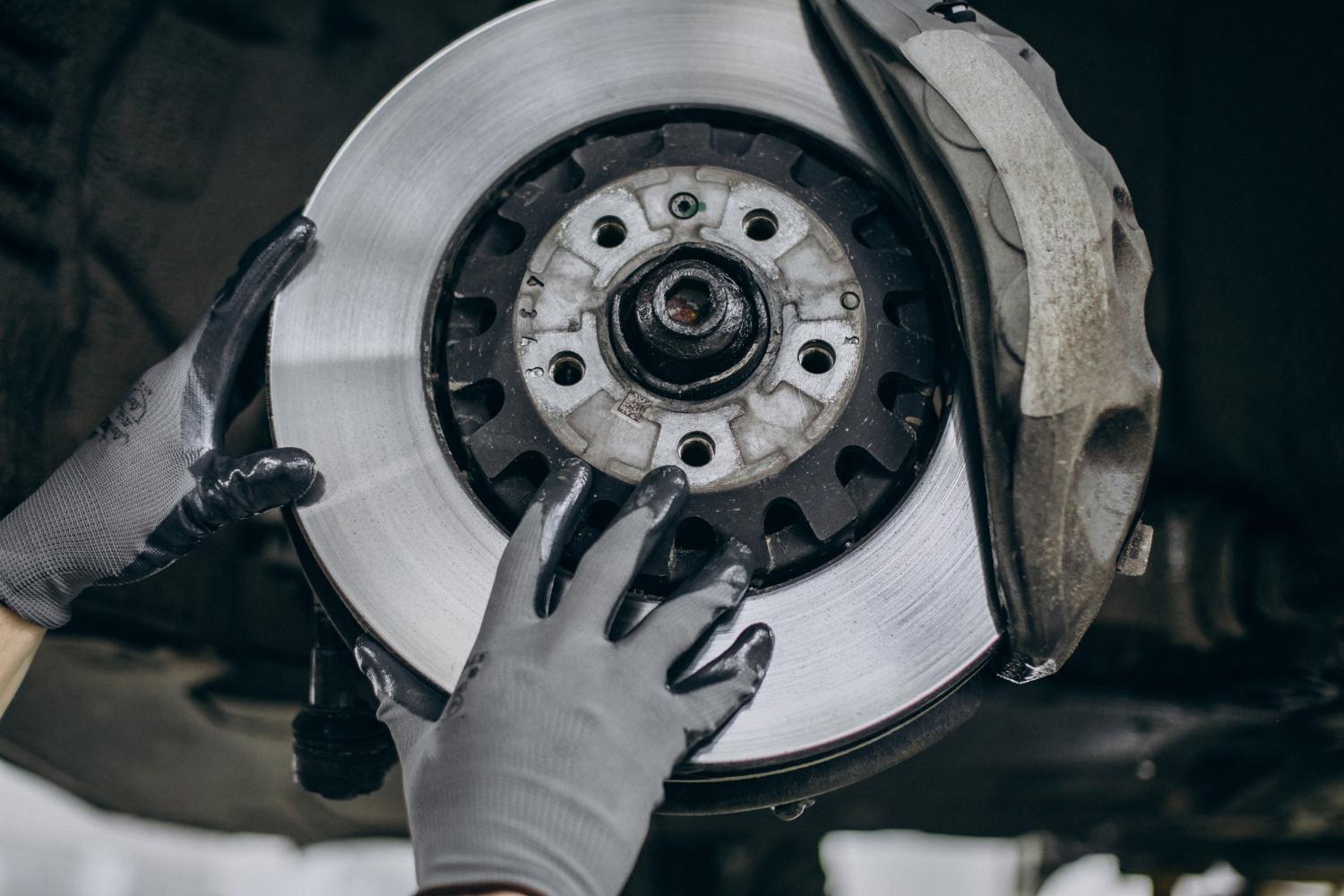
In South Africa, the cost of maintaining a vehicle is no small consideration, and brake maintenance is one of the most critical aspects. Among the key components that require periodic replacement are brake pads. However, the brake pads price can vary considerably depending on several influencing factors. Understanding these variables can help you make a more informed, cost-effective decision without compromising on safety.
Type of Vehicle
The make and model of your car significantly affect the price of brake pads. High-performance or luxury vehicles often require specialised brake systems, which come with a higher cost. Meanwhile, common sedans or compact cars usually have more affordable parts due to wider availability and simpler requirements.
Type of Brake Pad Material
Brake pads are manufactured from various materials, including organic, semi-metallic, and ceramic. Organic pads are typically the cheapest, but they wear faster and produce more dust. Semi-metallic options offer a balance of performance and durability at a moderate price. Ceramic pads are the most expensive but provide excellent longevity and quieter operation, making them ideal for high-end cars.
Brand and Manufacturer
Premium brands known for reliability and performance often charge more. Local brands might offer more competitive pricing but could vary in quality. Reputable international manufacturers such as Bosch, Ferodo, or Brembo are generally priced higher, reflecting their engineering standards and warranties.
Import Duties and Exchange Rates
Given that many high-quality brake pads are imported, fluctuations in the Rand’s exchange rate can directly impact pricing. Import duties and taxes also contribute to final costs, particularly if the product isn’t manufactured or distributed locally.
Labour and Installation Costs
While this doesn’t affect the retail cost of the part itself, installation fees are often bundled into advertised prices by some service providers. The complexity of the brake tester and the time required for installation can make total costs differ from one workshop to another.
Availability and Supply Chain Factors
In more remote or less urbanised regions, limited access to parts can drive prices up due to logistics and transportation costs. Conversely, in metropolitan areas where supply is abundant, you’re more likely to find competitive pricing and frequent discounts.
Warranty and After-Sales Support
Pads sold with extended warranties or performance guarantees are usually priced higher. However, this often translates to greater peace of mind and long-term savings if issues arise. After-sales support, including fitting services and free inspections, can also add value to the purchase.
Choosing brake pads involves more than just comparing prices. Material quality, vehicle compatibility, and additional services all contribute to the overall value. By understanding what shapes the brake pads price, South African motorists can strike the right balance between cost, performance, and safety.